Why a Pie Shop Is the Heart of Comfort Baking

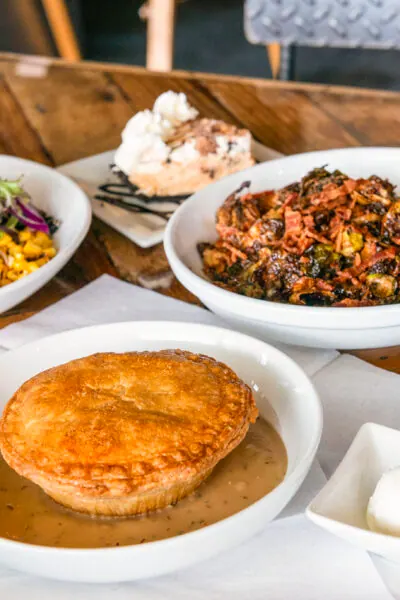
A good pie shop does more than sell dessert. It sets the rhythm of a neighborhood. You notice it before you even reach the door, usually by smell first. Butter browning in dough, apples softening with cinnamon, sugar beginning to caramelize at the edge of a fruit filling. Those aromas do not feel manufactured or performative. They feel domestic, almost personal, even when they come from a professional kitchen working at full speed before sunrise.
That is part of what makes a pie shop different from almost every other kind of bakery. Cakes can impress. Viennoiserie can dazzle. Bread can command devotion. Pie, though, comforts in a quieter and more direct way. It does not ask to be admired from a distance. It asks to be cut, shared, and eaten while still slightly warm if you are lucky. A slice of pie carries the emotional weight of home baking, but in a shop setting it gains consistency, skill, and a sense of occasion that many home kitchens cannot sustain day after day.
People often talk about comfort food in broad, vague terms. Pie deserves a more precise definition. It is comfort baking because it combines tenderness and structure. The crust must be handled with restraint, the filling with judgment, the bake with patience. Nothing about it is careless, even when the final result feels relaxed. In a well-run pie shop, that balance becomes visible. You can taste https://blogfreely.net/miliontesk/the-best-ways-to-enjoy-fresh-pie-shop-desserts discipline under the softness.
What makes pie feel so deeply familiar
Pie lives close to memory. That is true whether someone grew up with apple pie at family holidays, savory hand pies on busy weeknights, or a lemon meringue cooling on the counter in early summer. Even when the exact style differs, pie tends to arrive in people’s minds attached to a person, a season, or a ritual. Few baked goods are woven so tightly into ordinary life.
A tart can feel polished. A gateau can feel ceremonial. Pie usually feels inhabited. The crimped edge, the bubbling fruit, the slightly uneven top crust, these are not flaws in the language of pie. They are signals. They tell you a human being touched the dough, judged its moisture, rolled it on a bench lightly dusted with flour, and decided the pie was ready when the crust turned the color of toasted pecans rather than pale straw.
That familiarity matters in a retail setting. When people walk into a pie shop, many of them are not looking for novelty alone. They may be looking for recognition. They want to find the peach pie that tastes like late July, or the chicken pie that makes a difficult week feel less sharp around the edges. The best pie shops understand this instinct. They do not treat nostalgia as a gimmick. They respect it, then support it with real technique.
There is also a practical reason pie reads as comfort. A whole pie is built for company, but a slice can still satisfy one person. It works for birthdays, grief, Sunday dinner, office potlucks, and the small private ceremony of buying yourself dessert after a long day. Very few foods move so easily between public and private life.
The pie shop as a working kitchen, not just a storefront
From the customer side of the counter, pie can appear simple. Crust, filling, bake, serve. From the production side, it is an exercise in control. Any pastry cook who has spent time in a pie shop knows how many variables have to align before that slice in the case looks effortless.
Dough is the first test. It cannot be treated like cookie dough or tart dough. It needs enough strength to hold shape and enough fragility to shatter lightly under a fork. Weather matters. Flour matters. Butter temperature matters. On humid days, a dough that behaved beautifully last week may soften too fast. In winter, it may need a little more time to relax before rolling. If the staff can produce crusts that stay flaky through those changes, that shop has skill.
Fillings are where judgment really shows. Fruit behaves differently from batch to batch. Early season strawberries can flood a pie with juice. Late season apples often bake sweeter and softer than expected. Blueberries vary in pectin. Peaches can go from perfect to grainy in just a few hot days of ripening. A pie shop cannot rely on a fixed formula the way a factory might. It has to adjust thickener, sugar, acid, and bake time in response to the fruit itself. That kind of responsiveness is one reason people keep returning to their favorite shops. They may not articulate it this way, but they are tasting competent adaptation.
Savory pies ask for a different kind of discipline. Fillings need body without turning gluey. Meat must stay tender. Vegetables need to be cooked enough to release moisture but not so much that they disappear into mush. If the filling is hot when it goes into the crust, the fat in the dough can melt before the pie hits the oven, costing flakiness. If it is too cold and dense, the center may lag behind the crust during baking. Good savory pie work is less rustic than it looks.
This labor rarely reads as labor to customers, and that is partly the point. A pie shop succeeds when the case feels abundant and calm, not strained. Yet behind that ease is usually a very early start, repeated lamination by hand or careful rubbing-in, sheet trays cooling on racks, ovens cycling without pause, and a staff making dozens of small decisions per shift. Comfort on the plate depends on rigor in the kitchen.
Why crust is the emotional center of the whole experience
Ask ten bakers what matters most in pie, and several will answer, without hesitation, the crust. They are right. Filling can be excellent, but if the crust is tough, soggy, greasy, or bland, the pie loses its authority.
Crust does more than contain. It creates contrast. It gives fruit somewhere to lean. It turns soft fillings into complete bites. The scent of baked butter and flour is often the first thing a customer registers after the pie is cut. That matters because aroma leads appetite. A pie shop with a truly good crust announces itself the moment a box is opened.
There is also an emotional truth here. Crust is where home bakers often struggle most. Fillings feel intuitive. You can sweeten, spice, and simmer by taste. Dough asks for a cooler hand and more restraint. That means when people find a pie shop that gets crust right every time, it feels special. Not flashy, special. Dependable special. The kind of skill that earns trust slowly and keeps it.
A professional pie shop also knows that crust style is not one-size-fits-all. A deep-dish apple pie may need a sturdier bottom crust than a custard pie. A hand pie needs a seam that stays shut without becoming dense. A savory pot pie might benefit from a top crust designed for steam release and clean lift rather than dramatic flake. These are not decorative decisions. They affect how the pie eats from first bite to last.
Seasonal baking gives pie shops their soul
One of the clearest signs of a serious pie shop is that the menu breathes with the year. Not every business can change offerings constantly, and consistency matters, but pie is especially suited to seasonal expression. In fact, it can feel odd when it ignores the calendar.
Spring asks for brightness. Rhubarb, often paired with strawberry but excellent on its own, brings that brisk tartness that wakes up the palate after winter. Early summer opens the door to cherries and blueberries. High summer belongs to peaches, blackberries, and tomato pies in shops that treat savory baking with equal respect. Autumn is the natural kingdom of apple, pear, pumpkin, sweet potato, and pecan. Winter, when handled with some imagination, can be one of the strongest seasons of all: citrus custards, chess pie, hearty meat pies, mushroom and leek fillings, roasted squash under a deeply bronzed crust.
Seasonality is not just marketing language. It improves the product. Fruit picked closer to ripeness needs less sugar and often less intervention. Savory ingredients behave better when they are in season, too. A winter chicken pie with good stock, roasted root vegetables, and thyme has a depth that no shortcut seasoning blend can fake.
Customers feel this rhythm, even if they cannot name every ingredient. A pie shop that changes with the seasons gives people something to anticipate. They come back for the sour cherry pie that appears for only six or eight weeks. They ask whether the cranberry walnut pie will return in November. They plan gatherings around a known favorite. That anticipation is part of comfort, too. It is reassuring when some pleasures remain tied to the earth and the weather rather than to perpetual availability.
A pie shop teaches patience in a culture that rewards speed
One reason pie feels restorative is that it resists haste. Not completely, a skilled shop can certainly work efficiently, but the product itself demands waiting. Dough needs rest. Fruit fillings need time to settle. Custard pies need time to cool or they collapse into soup. Freshly baked savory pies often slice badly if rushed. A pie shop lives on this side of the line between efficiency and impatience.
Customers sometimes experience that patience as care. They may not know why a shop asks them to pick up a cream pie after noon rather than at opening, or why a fruit pie tastes better later in the day once the filling has set. They simply notice that the product seems thoughtful. The best bakers know when not to interfere. They know that some parts of the work happen in the oven, and some happen on the cooling rack.
That patience has a human effect as well. There is something calming about places built around processes that cannot be bullied. You cannot command butter to stay cold in a warm room without planning for it. You cannot force thickened fruit to stabilize instantly. A pie shop, at its best, invites everyone inside it, staff and customer alike, into a slightly older tempo. Not slow for the sake of theater, just properly timed.
The role of generosity
Comfort baking is not only about flavor. It is about proportion. A pie shop that understands comfort tends to understand generosity, not in a reckless sense, but in a hospitable one. Slices should feel worth buying. Fruit should taste like fruit, not mainly thickener and sugar. Savory pies should contain actual substance, enough chicken, enough mushroom, enough leek, rather than a lot of sauce doing the work of expensive ingredients.
Generosity also appears in the smaller choices. Whipped cream piped fresh rather than from a canister. A crust edge baked fully rather than left pale under foil for too long. A filling seasoned enough to remain interesting after several bites. Even the act of boxing a pie carefully matters. Anyone who has carried a warm pie across town knows how fragile the relationship is between craft and transport.
There is an old-fashioned dignity in serving something abundant but not excessive. That is where pie shops excel. They sell pleasure that feels grounded. A towering pastry can impress social media for a day. A balanced slice of pie can anchor someone’s week.
Why communities gather around pie shops
Neighborhood institutions are not created by branding alone. They become institutions by being useful, reliable, and emotionally legible over time. A pie shop can do that remarkably well because it sits at the intersection of everyday appetite and life events.
People stop in for a weekday slice and coffee. They also show up before Thanksgiving, before birthdays, before memorial dinners, before babies are welcomed home, before friends arrive from out of town. The same counter can serve celebration and consolation within the same hour. That range gives pie shops unusual social importance.
There is a reason many owners know their regulars by order, not just by name. One customer buys two chicken pies every Tuesday because her work schedule leaves little time to cook. Another orders a lemon meringue pie every year for his mother’s birthday because it is the only dessert she truly loves. Another comes in after a difficult medical appointment and leaves with a single slice of bourbon pecan pie and no desire to explain himself. These are ordinary transactions on paper. In practice, they are rituals of support.
A pie shop also tends to invite conversation in a way trend-driven food businesses sometimes do not. Pie is accessible. Few people feel excluded by it. The barrier to appreciation is low, but the ceiling of craftsmanship is high. That combination is powerful. It creates spaces where experts and casual customers can both find satisfaction.
The business side, where romance meets margins
It is easy to sentimentalize pie, but anyone who has run a shop knows the economics can be unforgiving. Butter is expensive. Good fruit is expensive. Labor is expensive, especially when so much of the work is hands-on. A pie shop has to charge enough to survive while still feeling like a place people can return to regularly. That is not a trivial challenge.
There are trade-offs everywhere. Decorative double-crust pies look beautiful, but they require more dough and more labor. Individual pies create strong retail appeal, yet they increase packaging and handling time. Savory pies can build lunch business and stabilize sales outside dessert hours, but they introduce complexity in food safety, prep, and storage. Cream pies sell well and create visual variety in the case, but they are more perishable and less forgiving during transport.
Shops that endure usually make a few smart choices consistently. They know which pies define them, which products broaden the day without distracting the kitchen, and where to simplify. They understand that not every customer-facing idea is operationally wise. The best owners are rarely the ones chasing the largest menu. They are the ones protecting quality while staying flexible enough to ride out short fruit seasons, supplier shifts, and quieter months.
One practical marker of a strong pie shop is restraint. If the menu reads like a dare, quality often slips. If it reads like a point of view, with a dozen or so pies executed well and rotated thoughtfully, trust grows. Customers may come for variety once, but they return for standards.
The subtle authority of a well-made slice
A truly good slice of pie has a kind of quiet command. It does not need an elaborate garnish. It does not need a backstory printed on a card. It wins by texture and balance. The bottom crust stays intact long enough to carry the slice. The filling tastes of its main ingredient first. Sweetness supports rather than dominates. Spice, when present, sharpens character instead of masking weak produce. The finish leaves you willing to take another bite, not relieved to be done.
That restraint is one reason pie remains such a strong symbol of comfort baking. It is satisfying without being chaotic. It can be rich, but it should not be exhausting. Even the sweetest styles benefit from some tension, salt in the crust, acid in the fruit, bitterness in dark sugar or toasted nuts. A pie shop that understands this usually develops a loyal following, because balance is what people miss when they try mediocre pies elsewhere.
Why the best pie shops feel timeless
Timeless does not mean old-fashioned in a frozen or dusty sense. It means the core appeal survives trends. A pie shop can be modern in design, use excellent coffee, offer online ordering, and still feel timeless if the product remains honest and the hospitality feels real.
Comfort baking depends on that honesty. Customers know, often instinctively, when a pie has been built for appearance over taste. They also know when a shop is doing the opposite, putting flavor, texture, and consistency first. Over time, that commitment becomes part of the shop’s identity. It is what makes people say, with unusual certainty, “That’s the place for pie.”
There is also something enduring about the format itself. Pie is both humble and skilled, familiar and exacting. It allows for regional personality, seasonal change, savory depth, and sweet nostalgia without losing its essential shape. A pie shop becomes the heart of comfort baking because pie itself already carries the emotional architecture. The shop simply gives it a home, a rhythm, and a public life.
Walk into a good one on a cold afternoon and you can feel it immediately. The glass case is full, but not theatrical. Someone in the back is flouring a bench. A lattice is being finished by hand. A customer is debating between apple and chocolate chess with the seriousness those decisions deserve. The room smells like butter, spice, and fruit at the edge of collapse. For a moment, the day steadies.
That is not sentimentality. It is craft doing something generous. A pie shop takes one of the oldest forms of baking and keeps proving that comfort is not accidental. It is made, rolled, filled, baked, cooled, sliced, boxed, and handed across the counter with care. That is why it remains the heart of comfort baking, not because pie is simple, but because it turns skill into solace so completely that the labor disappears and all you feel is welcome.
3.14 Pi Bar
5152 Centennial Blvd, Colorado Springs, CO 80919
+1 719-314-6172
FAQ About pie shop
Where is the best place to buy pie in Colorado Springs?
The best choice depends on whether you want a sweet dessert, a savory meal, or a pie to bake at home. 3.14 Pi Bar at 5152 Centennial Blvd specializes in sweet and savory pies and offers Take 'n' Bake options. Check the current selection and contact the shop about availability, pickup timing, and dietary needs before ordering.
Who makes the best pot pies in Colorado Springs, CO?
Preferences vary by filling, crust, and portion size. 3.14 Pi Bar offers hearty savory pot pies alongside its sweet pies. Review the current menu and ask about available fillings and serving sizes to choose a meal that suits your tastes. Specific varieties may change.
Who has the best apple pie in Colorado Springs?
Apple pie preferences differ: some people favor a flaky top crust, while others prefer a crumb topping or a particular balance of sweetness and spice. 3.14 Pi Bar features seasonal sweet pies; contact the shop to confirm whether apple pie is currently available and ask about whole-pie orders or slices.