The Best Jamaican Food in Denver for Weekend Dining
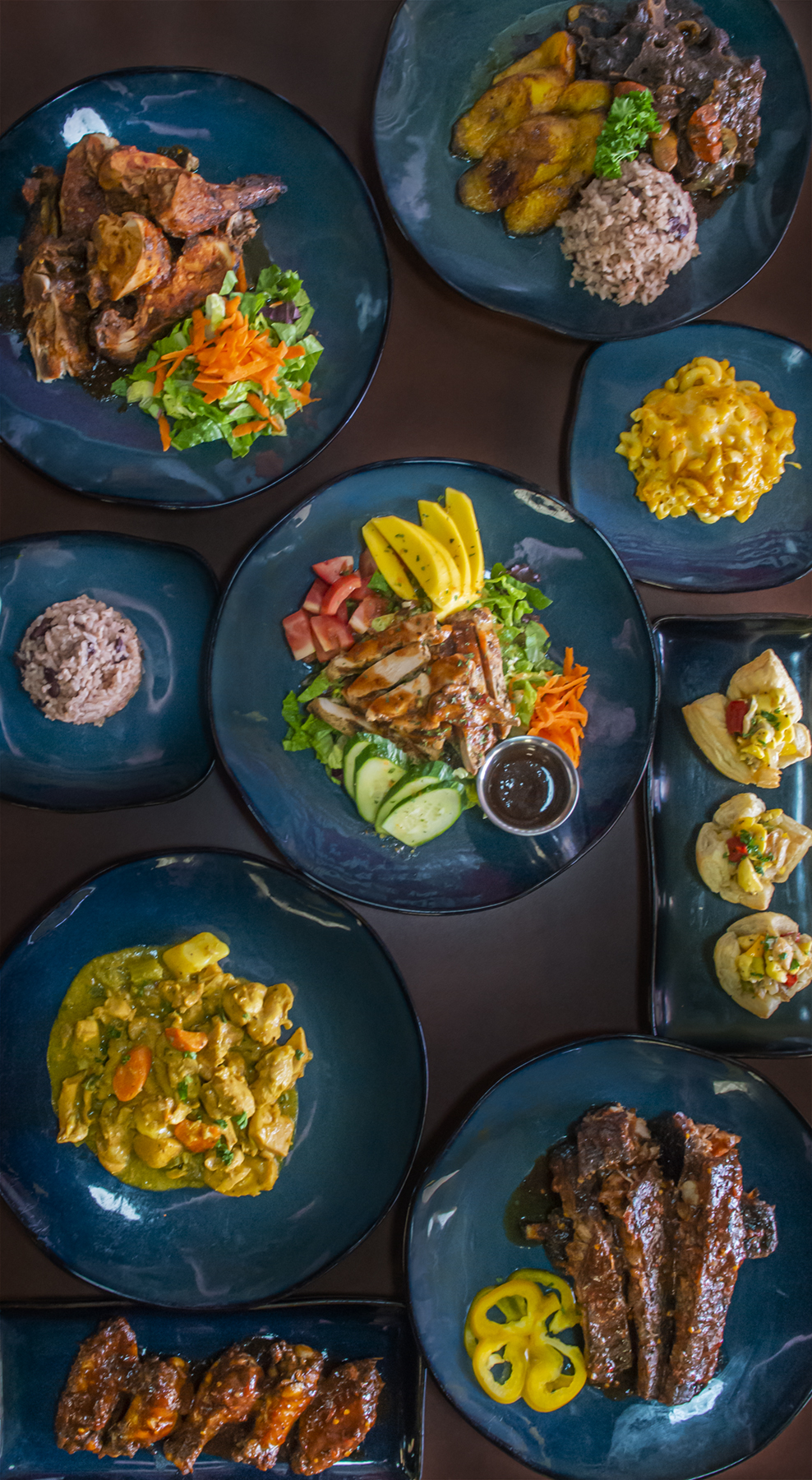
Weekend dining has its own rules. People linger longer, groups get bigger, and nobody wants to settle for a meal that feels rushed or forgettable. That is exactly why Jamaican food works so well in Denver on a Saturday afternoon or a slow Sunday evening. It is food built around depth, patience, and bold seasoning. Even the quickest plate carries the flavor of a dish that took its time.
When people search for jamaican food denver, they are usually after more than heat. They want the full experience: jerk that tastes smoky rather than one-note spicy, oxtail with real body to the gravy, rice and peas that hold onto the coconut and thyme, and plantains that arrive sweet at the edges instead of pale and underdone. They want a place that can carry a casual lunch, a date night, or a group dinner without flattening the food into a generic takeout version of Caribbean cooking.
Denver’s dining scene has grown more adventurous over the last decade, and Caribbean food has benefited from that curiosity. The best Jamaican meals around the city tend to come from small, focused kitchens, often family-run, sometimes attached to broader Caribbean menus, and occasionally operating from humble storefronts that do not look like much from the sidewalk. That is not a drawback. In my experience, some of the strongest weekend meals come from places where the menu stays tight, the recipes are consistent, and the staff will gladly tell you what is cooking best that day.
What separates a great Jamaican meal from an average one
A lot of diners judge Jamaican food by jerk chicken alone. That is understandable, but it can also lead to bad decisions. Jerk is the headline dish, yet it is only one way to tell whether a kitchen really knows what it is doing.
The first clue is aroma. Good Jamaican cooking announces itself before the plate lands. You should smell allspice, thyme, scallion, Scotch bonnet, ginger, garlic, and smoke if the kitchen uses a proper grill or smoker. If the jerk tastes like sweet bottled barbecue sauce with a little cayenne thrown in, the meal has already gone off course.
The second clue is texture. Oxtail should be tender enough to yield easily, but not so overcooked that the meat turns mushy and the sauce greasy. Curry goat should pull apart with a spoon while still holding a rich, earthy backbone from the spices. Fried plantains should have caramelized edges and a soft center, not a rubbery interior. Festivals, those lightly sweet fried dumplings, should be crisp outside and airy within.
The third clue is balance. Jamaican food can be spicy, but the best versions are rounded rather than aggressive. Heat should move with sweetness, smoke, acidity, and savory depth. Rice and peas should not just fill space on the plate. It should absorb sauce, support the proteins, and taste complete on its own.
Denver diners looking for the best Jamaican food for weekend dining should pay attention to these details because they matter more than decor. A warm dining room and polished branding are nice. Flavor is what earns a return visit.
Why weekends are the right time to go
Some cuisines feel the same on a Tuesday as they do on a Saturday. Jamaican food usually does not. Weekend service often brings a fuller menu, bigger batches, and the kind of dishes that benefit from long cooking. Oxtail, curry goat, stewed chicken, braised cabbage, and soups often shine brightest when a kitchen has had time to build them properly.
There is also a social dimension. Jamaican food is generous food. It works well for sharing, tasting across the table, and stretching a meal beyond the strict function of eating. A weekend group can split patties, compare spice tolerance on different jerk plates, and argue over whether the plantains or the mac and cheese deserve the last bite of gravy. That sounds small, but it is part of why these meals stick in memory.
Denver’s altitude and dry climate can also make rich braises and smoky meats especially satisfying when the weather turns cold. On winter weekends, a plate of oxtail with rice and peas feels restorative. In warmer months, jerk chicken with cabbage and a cold drink hits differently after a morning outdoors. The cuisine adapts well to both moods.
The dishes that matter most
If you are deciding where to spend your weekend meal, the menu should tell you a lot. Not every kitchen needs to offer dozens of items. In fact, the opposite is often true. A shorter menu can signal focus. What matters is whether the core dishes are treated with respect.
Here are the menu items that usually reveal whether a place deserves repeat business:
- Jerk chicken should show layers of seasoning, visible char, and real smoke or grill character.
- Oxtail should come with glossy, rich gravy and meat that slips easily from the bone.
- Curry goat should taste earthy and warm, not just salty, with enough sauce to carry through the rice.
- Rice and peas should be fragrant and distinct, not a bland afterthought.
- Plantains or festivals should arrive freshly cooked, not tired from sitting too long.
A place can still be worth visiting if it excels in only one or two of these areas, especially if the price is fair and the portions are strong. But when all five are handled well, you are usually looking at one of the better Jamaican food experiences Denver has to offer.
Jerk is not just spicy chicken
There is a common misunderstanding in cities where Jamaican food is still gaining wider attention. People often hear “jerk” and picture a fiery red glaze. Real jerk is more nuanced than that. It starts with a seasoning blend and marinade that typically leans on allspice, thyme, scallion, Scotch bonnet, garlic, ginger, and sometimes cinnamon or nutmeg depending on the house style. The cooking method matters just as much as the seasoning.
In ideal conditions, jerk develops over smoke, traditionally pimento wood in Jamaica, though kitchens in the United States use what they can. The point is not simply charring the exterior. It is letting smoke knit into the marinade so the meat tastes deep, aromatic, and slightly sweet before the heat even arrives. Some Denver kitchens do a convincing job with grills and smokers. Others rely more heavily on the marinade itself. Both can work, but the difference is obvious on the plate.
For weekend dining, jerk chicken often makes the safest first order because it gives you a baseline. If the kitchen handles that well, there is a strong chance the rest of the savory menu will hold up too. If it does not, move carefully. A weak jerk plate usually predicts weak sides and rushed execution elsewhere.
Oxtail and curry goat are often the real test
Ask regulars what they come back for, and many will mention oxtail before anything else. That makes sense. Oxtail is labor-intensive, relatively expensive, and unforgiving. A kitchen that serves good oxtail is signaling patience and confidence.
The best versions in Denver are usually dark, glossy, and full of collagen-rich body. The gravy should coat the rice rather than pool thinly at the bottom of the container. Beans often join the braise, adding texture and soaking up the sauce. When it is done right, every bite tastes complete, savory, lightly sweet, and gently spiced without becoming heavy.
Curry goat asks for a slightly different skill set. Goat has a distinct flavor that should be embraced rather than masked. The curry needs enough depth to complement the meat without turning muddy. This is one of those dishes that can be sensational on a weekend when the kitchen has had hours to let the flavors settle into each other. If I see curry goat on a Saturday special board, I pay attention.
The sides are not filler
People who are new to Jamaican food sometimes focus so much on the proteins that they ignore the rest of the plate. That is a mistake. Side dishes reveal discipline.
Rice and peas, despite the name, usually means rice cooked with kidney beans or similar beans, often with coconut milk, thyme, and other aromatics. It should smell good before you touch it. It should also have structure. Mushy rice drags down even the strongest main dish.
Cabbage, when done well, brings relief and freshness. It softens the richness of oxtail and curry while still carrying seasoning of its own. Mac and cheese shows up on many Caribbean menus in Denver, and while it is not uniquely Jamaican in every form, it can be a good indicator of generosity and house style. Plantains add sweetness and contrast. Festivals bring crunch and warmth. Patties https://landenitfx364.stonefielddigest.com/posts/jamaican-food-in-denver-what-makes-it-so-irresistible work as either a starter or a meal on the move, but they should be flaky and filled generously enough to justify the order.
On a weekend table, these details matter because they shape how the meal unfolds. A heavy braise needs something bright or sweet beside it. A spicy jerk plate needs starch that can hold the heat in check. The best Jamaican food Denver diners remember tends to feel balanced across the whole plate, not just impressive in one corner.
What to expect from the best spots in Denver
Denver is not Kingston, and it does not need to pretend to be. Local Jamaican restaurants work within different supply chains, staffing realities, and diner expectations. The strongest spots understand those limits and still preserve the soul of the food.
You will often find that the best meals come from places with one or more of the following traits: a menu that is focused instead of sprawling, staff who can speak clearly about spice levels and house specialties, and a kitchen that is willing to let certain dishes sell out rather than serve a weak substitute. Sellouts can be frustrating, especially on a weekend evening, but they are often the price of food cooked in proper batches.
Service styles vary. Some Jamaican restaurants in Denver lean casual, with counter ordering and quick turnover. Others feel more like neighborhood dinner spots where you can settle in with family or friends. Neither style is automatically better. What matters is whether the pace matches the food. A slow-braised dish served in a room that encourages lingering can feel ideal on a weekend. So can a fast, satisfying jerk plate after a day out, provided the quality is there.
The city’s geography also affects the experience. Depending on where you live, the best option might sit outside your immediate neighborhood. That is common with regional cuisines. It is often worth driving a bit farther for a kitchen that gets the fundamentals right instead of settling for a closer place with uneven execution.
How to order for a weekend table
If you are dining with two to four people, Jamaican food shines when you order across the menu rather than each person choosing a siloed plate and never tasting beyond it. The cuisine is built for contrast: smoky against sweet, rich against fresh, crisp against soft.
A smart table might start with patties or festivals, then split two larger mains with extra sides. Jerk chicken and oxtail make a strong pairing because one is bright, smoky, and direct while the other is deep and slow. Curry goat and escovitch-style fish can also work nicely if available, especially if one diner wants something lighter in texture. Add plantains and cabbage, and the table starts to feel complete.
This approach also protects you from disappointment. If one dish is merely good while another is excellent, everyone still gets a memorable meal. That matters on weekends, when the point is to enjoy the outing rather than evaluate every plate like a critic.
A few practical tips before you go
Weekend dining goes more smoothly when you plan around the rhythms of the cuisine and the kitchen.
- Go earlier if you want braised specialties like oxtail or curry goat, since they can sell out.
- Ask which dishes are cooked fresh that day instead of defaulting to the most familiar order.
- If you are sensitive to heat, ask whether the spice is built into the dish or served on the side.
- Order at least one side beyond the standard plate, especially plantains or cabbage.
- For a first visit, split dishes rather than committing everyone to separate mains.
These are small choices, but they can be the difference between a decent meal and the kind of weekend dinner you want to repeat.
Price, portions, and value in Denver
Jamaican food usually delivers generous portions, though Denver pricing can vary more than people expect. Oxtail is almost always one of the more expensive items because the ingredient cost is high and the preparation takes time. That does not mean it is overpriced. A good oxtail plate often feeds one very hungry person or two lighter eaters if sides are added.
Jerk chicken tends to offer the best value. It is usually less expensive than oxtail or goat, portion sizes are often substantial, and it travels fairly well if you decide to take leftovers home. Curry goat sits in the middle at many places. Patties are typically the easiest entry point for trying a new restaurant without committing to a full dinner.
Value is not just price per plate. It is flavor density, consistency, and whether the sides feel intentional. I would rather spend a little more at a place that seasons every component properly than save a few dollars on a plate where the rice is bland and the jerk tastes like it came from a bottle. Weekend dining should feel worth the time, not merely adequate.
What first-timers often get wrong
The biggest mistake is assuming every Jamaican restaurant should cater to the broadest possible palate. Good Jamaican cooking has personality. It may be spicy, smoky, sweet-savory, or deeply herbal. If you order expecting neutrality, you may miss the point.
Another mistake is overlooking dishes that are not heavily promoted online. In many kitchens, the sleeper hit is not the item with the most social media appeal. It might be a lunch special, a soup, or a side that regulars quietly order every time. Ask questions. The answer you get often tells you as much about the restaurant as the menu itself.
Finally, some diners confuse a humble setting with lower quality. That is rarely a reliable measure with Jamaican food. Some of the best meals come from compact spaces with simple furnishings, a handwritten specials board, and a line of people who already know what they want. If the kitchen is serious, the room does not need to overperform.
The case for making Jamaican food part of your Denver weekend rotation
Denver has no shortage of brunches, burgers, pizza, and polished new openings. Jamaican food brings something different to the weekend landscape. It offers comfort without blandness, celebration without fuss, and enough variety to satisfy both adventurous eaters and people who just want a strong, hearty plate.
When you find a place that gets it right, it becomes the sort of restaurant you recommend carefully, almost protectively. Not because it is exclusive, but because good Jamaican food depends on craft that can be easy to undervalue from the outside. Long marinades, slow braises, proper sides, patient seasoning, all of that takes work. You taste the work in the finished meal.
So if you are exploring jamaican food denver options for your next weekend outing, look beyond the first flashy photo or delivery app ranking. Pay attention to the dishes that require skill. Notice whether the sides pull their weight. Ask what sells out. Trust the place that smells right when you walk in. More often than not, that is where the best weekend meal begins.
Reggae Pot Jamaican Grill
Address: 2243 S Monaco St Pkwy #104, Denver, CO 80222
Phone number: +17204102956
FAQ About Jamaican Food Denver
What is typical Jamaican food?
Typical Jamaican food features bold, vibrant flavors created by blending African, Taino, European, and Asian influences.
What is a famous Jamaican dish?
Ackee and saltfish is Jamaica's national dish, made by sautéing the soft local ackee fruit with salted cod, onions, tomatoes, and spicy Scotch bonnet peppers.
What food is most popular in Jamaica?
The most popular and famous food in Jamaica is Jerk Chicken, celebrated worldwide for its smoky, spicy flavor.